 XTRAW Tools
Free calculators, converters, generators, and simple apps for everyday decisions.
XTRAW Tools
Free calculators, converters, generators, and simple apps for everyday decisions.
Compost Calculator
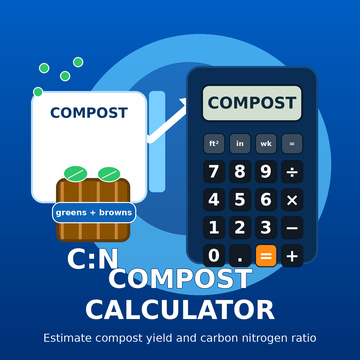
Estimate compost yield and carbon-to-nitrogen ratio for a compost pile. Use this free browser-based compost calculator from XTRAW Tools.
Compost Calculator helps you estimate compost yield and carbon-to-nitrogen ratio for a compost pile. Use this free browser-based calculator from XTRAW Tools to compare inputs, estimate results, and plan your next step.
How to Use the Compost Calculator
- Enter the required calculator inputs shown in the form.
- Review the environmental, water, solar, compost, recycling, fuel, temperature, humidity, or weather assumptions.
- Run the calculator, then adjust one input at a time to compare scenarios or check your estimate.
What This Calculator Helps With
Estimate compost yield and carbon-to-nitrogen ratio for a compost pile. It is designed for homeowners, renters, sustainability users, gardeners, students, science learners, energy planners, households, and environmental planning users who want a fast browser-based estimate before relying on official calculators, utility bills, weather stations, climate data, professional reports, supplier guidance, or regulatory sources.
- Green Material Weight (N-rich): 20 lbs
- Brown Material Weight (C-rich): 40 lbs
- Green C:N Ratio: 15
- Brown C:N Ratio: 60
Common Uses
People use this calculator when they need a quick way to estimate compost C:N ratio and finished compost yield.
- Measurement: Use environmental, water, weather, energy, emissions, garden, recycling, or fuel inputs to calculate a practical estimate.
- Project Planning: Plan conservation projects, garden watering, rainwater systems, solar scenarios, carbon offsets, recycling goals, or weather reference checks.
- Material Estimating: Estimate rainwater system needs, irrigation volumes, compost inputs, garden water, or project quantities before buying supplies.
Formula or Method
C:N = total carbon / total nitrogen; ideal range 25–35:1; yield ≈ input × 40%
Example
Example inputs: Green Material Weight (N-rich): 20 lbs; Brown Material Weight (C-rich): 40 lbs; Green C:N Ratio: 15; Brown C:N Ratio: 60
Example result: Using the default inputs, estimated compost C:N ratio is about 30.5:1 and finished compost yield is roughly 24.0 lb.
Related Tools
- Garden Water Calculator
- Recycling Savings Calculator
- Carbon Footprint Calculator
- Water Footprint Calculator
- Garden Planning Calculator
- Landscaping Calculator
Compost Calculator FAQ
Is the Compost Calculator free?
Yes. This calculator is free to use on XTRAW Tools.
Do I need to create an account?
No. XTRAW tools are designed for browser-based use without requiring an account.
Are the results exact?
Results may be estimates depending on the inputs, formula, rounding, assumptions, local conditions, factor sources, measurement method, and purpose of the calculator. Always verify important results before relying on them.
Disclaimer: This calculator is provided for general informational, educational, and convenience purposes only. It is not environmental consulting, regulatory, legal, tax, carbon accounting, engineering, water-rights, safety, energy-audit, sustainability certification, investment, or professional advice. Emission factors, water factors, solar assumptions, weather assumptions, local climate, utility rates, and environmental methods can vary by region and source. Always verify important results with qualified professionals, official calculators, utility data, local authorities, regulatory guidance, and authoritative sources before relying on them.
Related Products

 Garden Water Calculator
Calculate water needed for a vegetable or flower garden. Use this free browser-based garden water calculator from XTRAW Tools.
Custom prototype for related products
 Recycling Savings Calculator
Estimate CO2 and energy savings from recycling common materials. Use this free browser-based recycling savings calculator from XTRAW Tools.
Custom prototype for related products
 Carbon Footprint Calculator
Estimate your annual household carbon footprint from energy, transport, and diet. Use this free browser-based carbon footprint calculator from XTRAW Tools.
Custom prototype for related products
 Water Footprint Calculator
Estimate your daily and annual water footprint from common activities. Use this free browser-based water footprint calculator from XTRAW Tools.
Custom prototype for related products
 Calculators
 Science Calculators
Custom prototype for related categories
Custom prototype for related categories
Custom prototype for related categories
Custom prototype for related categories